A total knee replacement (TKR) can dramatically improve your quality of life, but the recovery process requires careful attention and planning. The right equipment can make a huge difference in managing pain, preventing strain, and supporting your mobility during the healing process. Whether you’re recovering at home or in a care facility, having the right tools and aids can ensure a smoother and more comfortable journey to recovery.
In this blog, we’ll highlight the essential equipment you’ll need after a total knee replacement, including a home hospital bed for added comfort and convenience.
1. Crutches or a Walker
In the first few weeks post-surgery, you’ll need support for mobility as your knee heals. Crutches or a walker are key pieces of equipment to help you get around safely.
- Crutches: Typically, crutches are recommended for the initial stages of recovery. They help you keep weight off your knee while moving around.
Walker: Some individuals find a walker easier to use than crutches, particularly if balance is a concern. Walkers offer more stability and can make moving around the house feel safer and more secure. - Tip: Make sure your crutches or walker are adjusted properly to your height. Incorrect adjustments can lead to unnecessary strain on your back and shoulders.
2. Knee Brace or Immobilizer
A knee brace or immobilizer is often used during the early stages of recovery to keep the joint stable. This equipment helps prevent excess movement and supports the healing process, especially in the first few days post-surgery.
- Function: A knee brace helps minimize the risk of unwanted movement, reducing the chance of complications.
- Comfort: Choose a breathable, lightweight option that can provide support without causing too much discomfort during the healing process.
3. Home Hospital Bed
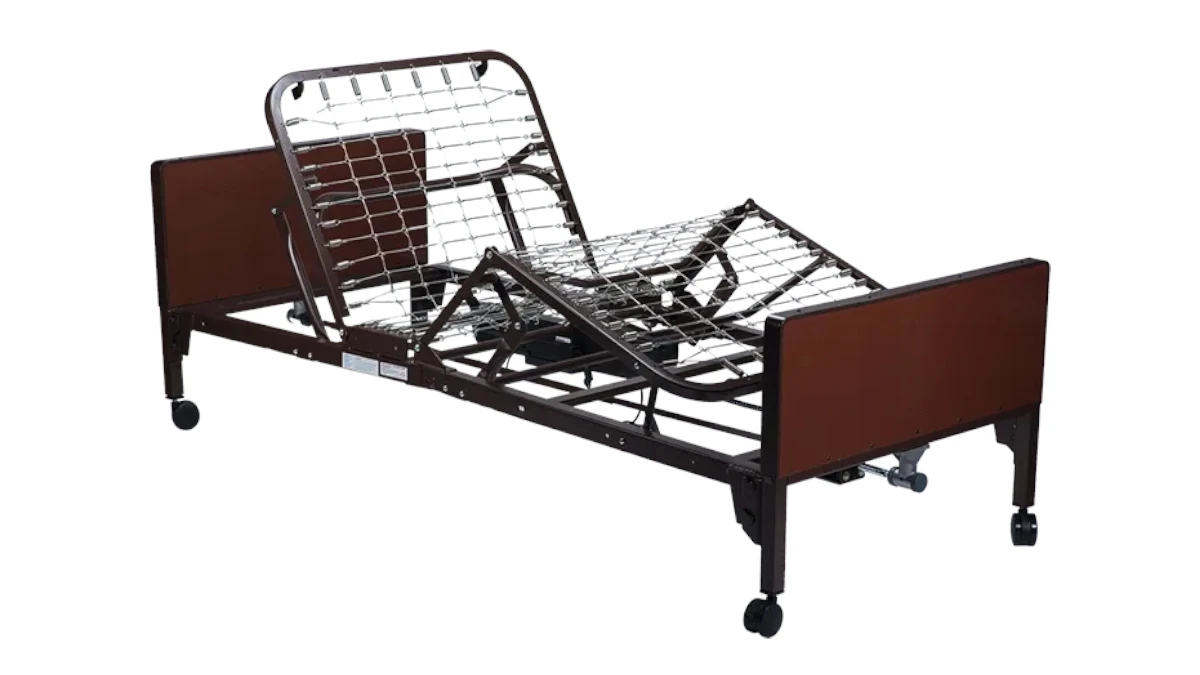
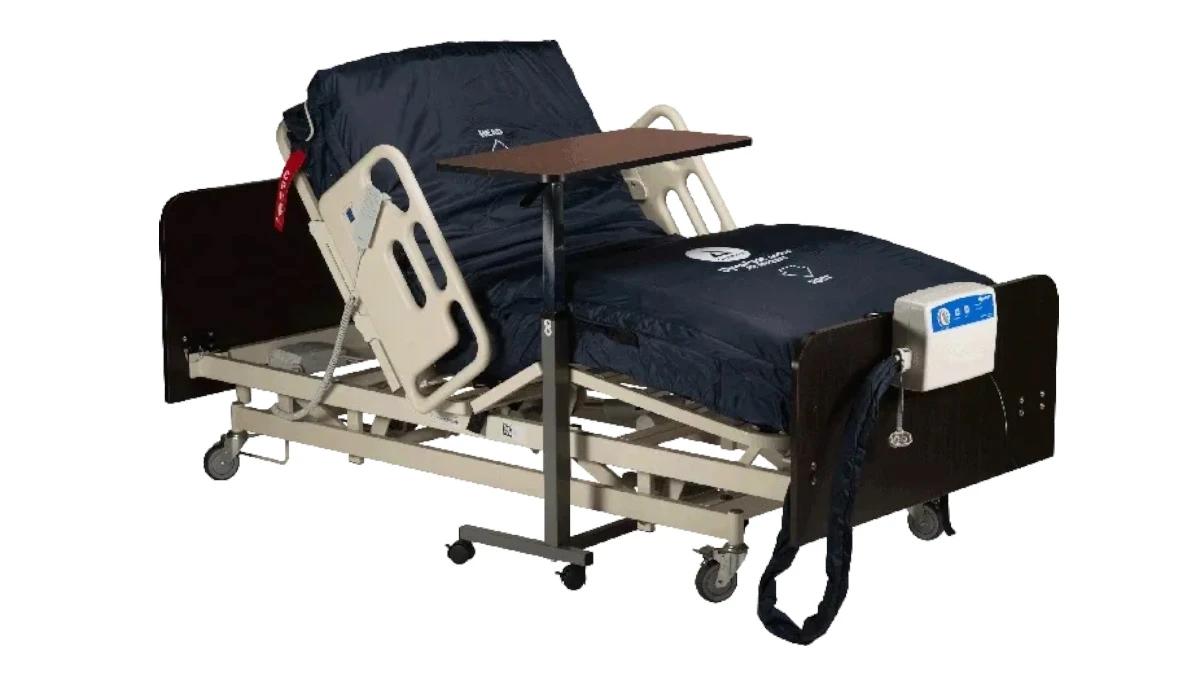
A home hospital bed can be a game-changer when recovering from a total knee replacement, offering a level of comfort and practicality that ordinary beds just can’t match.
- Adjustability: Hospital beds allow you to adjust the position of your body at the push of a button, which is especially important after knee surgery. You can elevate your legs to reduce swelling or adjust the headrest to a more comfortable sitting position when eating, reading, or watching TV.
- Ease of Getting In and Out: The bed’s adjustable height helps you get in and out of bed more easily, reducing strain on your knee and body. This is particularly beneficial if bending or using the muscles around the knee feels difficult after surgery.
- Additional Features: Many hospital beds come with side rails for added safety and convenience, helping you roll over, adjust your position, or use them as support when getting out of bed. Some models even feature built-in massagers or additional padding for added comfort.
4. Elevating Pillow or Wedge
Elevation is key when it comes to reducing swelling and improving circulation after knee surgery. A wedge pillow designed specifically for post-surgery recovery can help you keep your knee elevated above the level of your heart while resting.
- How to Use: Elevate your leg to reduce swelling and promote circulation, especially during sleep or relaxation. Proper elevation can prevent fluid buildup and speed up your recovery.
- Consideration: Look for a firm yet comfortable wedge that will support your leg in a stable, neutral position.
5. Shower Chair or Bath Bench
Showering post-surgery can be tricky, especially when your knee is still healing. A shower chair or bath bench is a helpful addition to ensure you can safely bathe without risking falls or excessive strain.
- Safety: These items allow you to sit while showering, keeping you safe from slipping on wet surfaces.
- Comfort: Choose a chair or bench with anti-slip feet and adjustable height features for the best fit and comfort.
6. Reacher or Grabber Tool
After surgery, bending over to pick up dropped items or reach for something on the floor may not be possible. A reacher or grabber tool can help you maintain independence while protecting your knee.
- Functionality: This simple, long-handled tool can help you pick up items from the floor, grab things from shelves, or even pull on your socks—all without bending over.
- Convenience: These tools are inexpensive, lightweight, and easily available, making them a must-have for your recovery.
7. Ice Packs or Cold Therapy System
Managing pain and inflammation is a priority after knee replacement surgery, and ice therapy is one of the most effective methods for controlling both. Having a reliable ice pack or cold therapy system can make a significant difference.
- Cold Therapy System: A cold therapy machine circulates cold water around your knee, offering continuous relief without the need to constantly replace ice packs.
- Ice Packs: Reusable ice packs are also effective and more budget-friendly. Just remember to wrap them in a towel to avoid frostbite.
8. Compression Socks
Compression socks help to improve circulation, reduce swelling, and minimize the risk of blood clots, which is important after knee replacement surgery. Wearing these socks throughout the day can promote faster healing and comfort.
- Fit: Ensure the socks fit snugly but not too tightly. They should offer consistent compression, especially around the knee and calf.
9. Supportive Shoes
Wearing the right shoes is essential during the early stages of your recovery. Poor footwear can lead to improper posture, pain, and even risk of falls.
- What to Look For: Shoes should provide firm support, especially in the arch and heel. Opt for a flat, cushioned sole and avoid high heels or shoes with a narrow toe box.
10. Physical Therapy Tools
Once your knee has healed enough for physical therapy, you’ll need a few tools to help with exercises that strengthen your knee and restore mobility.
- Resistance Bands: These bands are commonly used for strengthening exercises that don’t place too much strain on the knee.
- Foam Roller: A foam roller can be helpful for loosening up tight muscles around the knee and promoting mobility.
- Theraballs: For strengthening and flexibility exercises, these balls can be a helpful addition to your recovery routine.
11. Toilet Seat Raiser or Handrails
After surgery, sitting down and standing up from the toilet can be difficult. A raised toilet seat or handrails can make these tasks easier and safer.
- Toilet Seat Raiser: This simple device elevates the seat to a more comfortable height, so you don’t have to bend too much at the knee.
- Handrails: Installing handrails near the toilet or in other areas around your home (such as near stairs or in the shower) can provide extra stability and prevent falls.
12. A Bedside Commode (Optional)
If you have difficulty moving around early on during recovery, a bedside commode can be a helpful tool. It allows you to avoid unnecessary trips to the bathroom, minimizing strain on your knee and reducing the risk of falls.
Final Thoughts: Preparing for a Smooth Recovery
Recovering from a total knee replacement is an important journey, and with the right tools and equipment, you can make the process much smoother and more comfortable. From mobility aids like crutches and walkers to comfort-enhancing tools like home hospital beds and elevating pillows, these items will support you as you work towards healing.
Remember to consult your doctor and physical therapist for guidance on which equipment will best suit your individual needs and recovery goals. With patience, the proper care, and the right equipment, you’ll be back on your feet and enjoying a more active, pain-free lifestyle in no time.
Share this post: