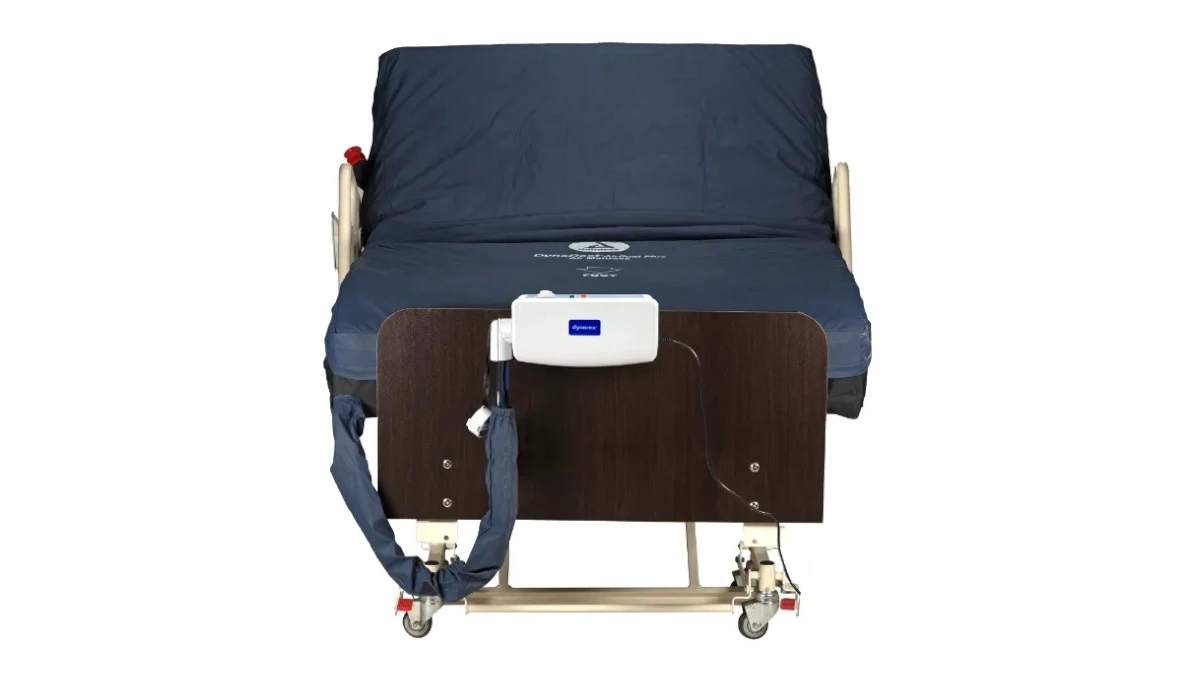
Medical air mattresses are commonly used in healthcare settings and at home to prevent pressure ulcers, provide comfort, and support individuals with mobility issues. They are designed to help redistribute weight and relieve pressure points, making them especially important for people who spend long periods in bed. There are several types of medical air mattresses, each designed to meet different needs. Here’s an overview of the main types:
1. Alternating Pressure Air Mattresses:
- Function: These mattresses work by alternately inflating and deflating different sections of the mattress, which helps relieve pressure points by continuously changing the areas of the body in contact with the bed.
- Best For: People at high risk of developing pressure sores, such as those with limited mobility or who are bedridden for long periods.
- Key Features:
- Helps prevent or treat pressure ulcers.
- Reduces the risk of skin breakdown by redistributing pressure.
- Often used in hospital or home care settings for patients with compromised skin integrity.
2. Low Air Loss Mattresses:
- Function: These mattresses have a series of small air cells that are constantly inflated and deflated, which creates a “low air loss” effect. The constant airflow helps keep the skin dry by reducing moisture buildup and improving circulation.
- Best For: Patients who are at risk for pressure ulcers and those who experience skin moisture issues, such as excessive sweating or incontinence.
- Key Features:
- Helps prevent skin breakdown.
- Provides constant airflow to keep the skin dry and cool.
- Often used for individuals with more advanced pressure ulcer treatment needs.
3. Combination Air Mattresses:
- Function: These mattresses combine alternating pressure with low air loss technology. They offer the benefits of both pressure relief and moisture control.
- Best For: People who need both pressure relief and help with skin moisture management, such as patients with high-risk pressure sores or those who are bedridden for long periods.
- Key Features:
- Provides comprehensive support for pressure ulcer prevention.
- Helps maintain skin integrity by keeping the skin dry and reducing pressure.
4. Static Air Mattresses:
- Function: These mattresses are filled with air, but unlike the alternating pressure models, the air in the mattress is not cycled. The mattress provides a firm, even support surface by evenly distributing the user’s weight.
- Best For: People who need a supportive, stable surface and who are at a lower risk for pressure sores, or for short-term use.
- Key Features:
- Simple design, often more affordable.
- Provides uniform support and pressure distribution.
- Often used for patients who can reposition themselves.
5. Gel-Infused Air Mattresses:
- Function: These mattresses combine air cells with gel layers to provide enhanced comfort and support. The gel helps to distribute weight more evenly and provides extra cushioning.
- Best For: Patients who need additional comfort and support along with pressure relief. It can be useful for individuals with moderate to high risk of pressure ulcers.
- Key Features:
- Adds cushioning to prevent discomfort from prolonged lying down.
- Provides excellent pressure redistribution.
- Helps improve skin comfort and can reduce the heat buildup that some air mattresses may cause.
6. Active or Dynamic Air Mattresses:
- Function: These are designed to change air pressure dynamically. They might include features like vibrations or air cells that constantly shift to provide active pressure relief.
- Best For: Patients who need a high level of pressure relief or those with advanced stages of pressure ulcers.
- Key Features:
- Provides constant movement to relieve pressure.
- Can be used in both hospital and home settings.
- Beneficial for people with existing pressure ulcers or at high risk.
7. Alternating Pressure Overlay Pads:
- Function: These are thin, air-filled pads that are placed on top of a regular mattress. They provide alternating pressure relief without requiring a complete replacement of the existing mattress.
- Best For: People who do not need a full air mattress but require some level of pressure relief.
- Key Features:
- Affordable alternative to full air mattresses.
- Easy to install and remove.
- Suitable for individuals with a moderate risk of pressure ulcers.
8. Hybrid Air Mattresses:
- Function: Hybrid mattresses combine the benefits of foam with air cells. The foam provides foundational support, while the air cells offer adjustable pressure relief.
- Best For: Individuals who need a more supportive mattress for overall comfort, but still require pressure relief.
- Key Features:
- Combines the benefits of foam for stability and air cells for pressure relief.
- Provides comfort and support, especially for people with back pain or moderate pressure ulcer risk.
Summary of Key Considerations:
- Pressure Relief: Alternating pressure and low air loss mattresses are often ideal for preventing or treating pressure ulcers.
- Moisture Control: Low air loss and combination mattresses help keep the skin dry by promoting airflow.
- Cost & Durability: Static and overlay air mattresses tend to be more affordable but may offer less pressure relief than dynamic or alternating models.
The type of mattress you choose depends on the specific medical needs, comfort preferences, and budget. It’s essential to consider the severity of the condition you’re trying to manage (e.g., preventing pressure ulcers, improving circulation, or maintaining skin integrity) when selecting a medical air mattress.
Share this post: