Bringing a loved one home from a physical rehabilitation center can be a profound and rewarding experience. However, it also requires careful planning and preparation to ensure that your home is equipped to support their recovery and provide a comfortable, safe environment. Here’s a comprehensive guide to help you get ready for their return:
1. Assess Their Needs
Medical Requirements:
- Consult with Healthcare Professionals: Before your loved one returns, speak with their healthcare providers to understand their specific medical needs. This may include mobility aids, special equipment, or ongoing therapy requirements.
Daily Activities:
- Evaluate Personal Care Needs: Determine any assistance they might need with daily activities such as bathing, dressing, or meal preparation. This will help you plan for necessary supports and adjustments around the home.
2. Make Necessary Home Modifications
Accessibility:
- Clear Pathways: Ensure that walkways, doorways, and hallways are clear of obstacles. This includes removing rugs, cords, and any furniture that might obstruct movement.
- Install Handrails: Place handrails in critical areas such as stairways, bathrooms, and near the bed. This will provide extra support and reduce the risk of falls.
Mobility Aids:
- Ramp Access: If your loved one uses a wheelchair or walker, consider installing a ramp for easier entry and exit.
- Adjustable Furniture: Ensure that furniture such as chairs and beds are at an appropriate height to facilitate ease of sitting and standing.
Safety Features:
- Non-Slip Mats: Place non-slip mats in the bathroom and kitchen to prevent slips and falls.
- Accessible Lighting: Install easy-to-reach lighting controls and ensure that all areas are well-lit to enhance visibility and safety.
3. Set Up a Comfortable Living Space
Sleeping Arrangements:
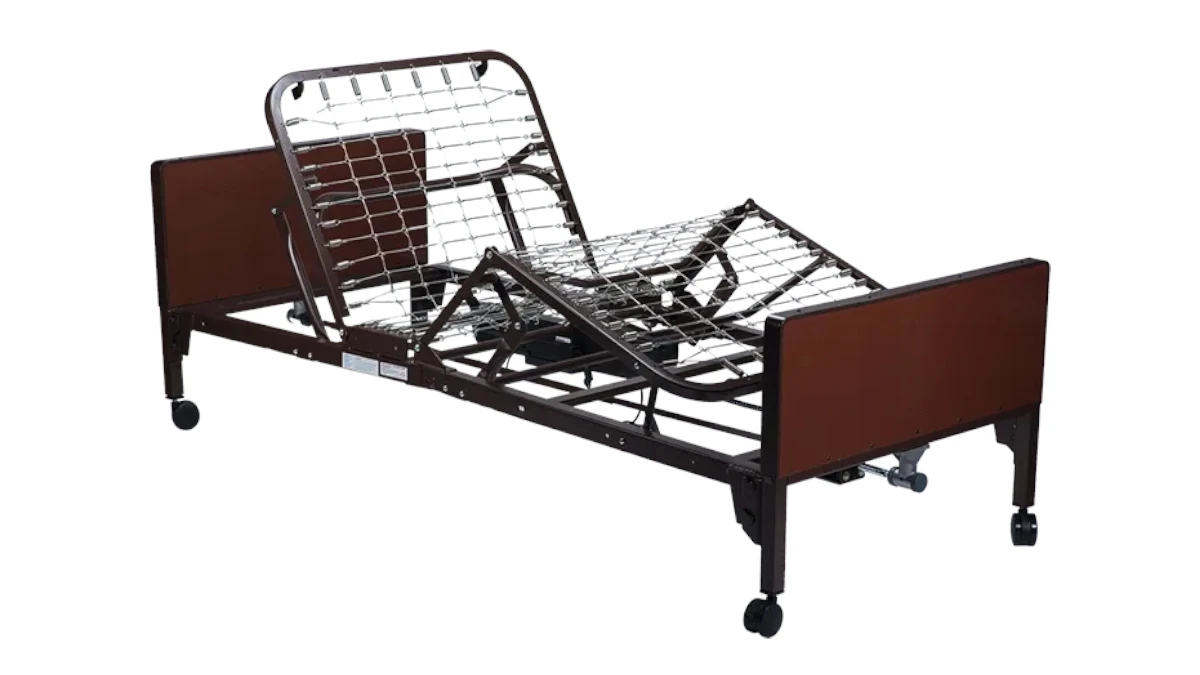
- Hospital Bed or Adjustable Bed: If prescribed, set up a hospital bed or an adjustable bed in the bedroom to accommodate any specific medical or comfort needs.
- Bedding and Pillows: Invest in high-quality, supportive bedding and pillows to ensure a restful sleep environment.
Living Area:
- Comfortable Seating: Arrange for comfortable seating that provides good support and is easy to get in and out of. This might include recliners or specially designed chairs.
- Easy Access to Essentials: Place frequently used items within easy reach to minimize the need for your loved one to stretch or move excessively.
4. Plan for Ongoing Care and Support
Medical Supplies:
- Stock Up: Ensure you have all necessary medical supplies on hand, such as medications, wound care supplies, or mobility aids. Keep these items in a convenient and organized location.
Therapy and Exercise:
- Space for Therapy: Set aside a space for any prescribed exercises or physical therapy. Ensure the area is free of obstacles and equipped with any required exercise equipment.
Emergency Preparedness:
- First Aid Kit: Have a well-stocked first aid kit readily available.
- Emergency Contacts: Post emergency contact numbers, including healthcare providers and emergency services, in a visible location.
5. Coordinate with Family and Caregivers
Delegate Responsibilities:
- Share the Load: Coordinate with family members or caregivers to divide responsibilities and ensure that your loved one’s needs are met throughout the day.
- Training: If necessary, get trained on specific care techniques or equipment use to ensure everyone involved in their care is prepared.
Emotional Support:
- Provide Encouragement: Returning home can be an emotional experience, so offer plenty of encouragement and positive reinforcement as your loved one adjusts to their new environment.
6. Focus on Emotional and Psychological Well-being
Familiar Environment:
- Personal Touches: Add personal touches to the home, such as photos, favorite items, or familiar decor, to help your loved one feel more at ease and comfortable.
Social Interaction:
- Visiting Friends and Family: Arrange for visits from friends and family to provide social interaction and support, which can be crucial for emotional well-being.
Mental Health:
- Monitor Mood: Be attentive to your loved one’s mood and emotional state. Adjustments and recovery can be challenging, so be prepared to offer emotional support or seek professional help if needed.
7. Regularly Review and Adjust
Monitor and Adapt:
- Assess Comfort and Safety: Regularly check in on your loved one’s comfort and safety, and make adjustments as needed based on their feedback and evolving needs.
- Seek Professional Advice: Continue to consult with healthcare professionals to ensure that the home environment remains suitable for their ongoing recovery.
Conclusion
Preparing your home for a loved one’s return from a physical rehabilitation center involves thoughtful planning and adjustments to create a safe, supportive, and comfortable environment. By addressing their medical needs, making necessary modifications, and providing emotional support, you can help facilitate a smooth transition and contribute significantly to their recovery process. With the right preparation, home can be the perfect place for healing and rejuvenation.
You said:
rewrite the blog and include information about hospital bed rentals and overbed tables
ChatGPT said:
ChatGPT
Preparing Your Home for a Loved One’s Return from a Physical Rehabilitation Center
Welcoming a loved one home from a physical rehabilitation center is a significant and joyful milestone. To ensure a smooth transition and support their ongoing recovery, it’s essential to prepare your home thoughtfully. This preparation might involve considering hospital bed rentals and other supportive equipment like overbed tables. Here’s a comprehensive guide to help you get ready for their return:
1. Assess Their Needs
Medical Requirements:
- Consult Healthcare Professionals: Speak with your loved one’s healthcare team to understand their specific medical needs. This includes any required equipment, ongoing therapy, and mobility aids.
Daily Activities:
- Evaluate Assistance Needs: Determine what help they might need with daily activities such as bathing, dressing, or meal preparation. This will guide you in arranging the necessary support.
2. Consider Hospital Bed Rentals
Advantages of Renting:
- Cost-Effective Solution: If your loved one needs a hospital bed for a short-term period, renting can be more economical than purchasing. This is particularly useful if the bed is required only during recovery or for a specific medical condition.
- Maintenance Included: Many hospital bed rental services include maintenance and repairs in their contracts, which reduces the burden of upkeep on you.
- Flexible Terms: Rental agreements often offer flexible terms, allowing you to adjust the rental period as needed based on your loved one’s recovery progress.
Setting Up the Bed:
- Proper Placement: Ensure the hospital bed is placed in a location that allows easy access and promotes comfort. It should be near essential items and away from potential hazards.
- Adjustable Features: Make sure the bed has the necessary adjustable features to meet your loved one’s specific medical needs, such as raising and lowering the head and foot sections.
3. Incorporate Overbed Tables
Functionality and Convenience:
- Enhanced Accessibility: Overbed tables can be a valuable addition, providing a stable surface for meals, medications, or personal items. They can be adjusted to various heights to accommodate different needs.
- Ease of Use: Choose an overbed table that is easy to maneuver and can be positioned comfortably over the bed. Ensure it is stable and can support the weight of items your loved one will need.
Setting Up:
- Positioning: Place the overbed table within easy reach of the bed, ensuring it does not obstruct movement or access to other important areas.
- Adjustability: Opt for a table with adjustable height and tilt features to accommodate different activities and comfort levels.
4. Make Necessary Home Modifications
Accessibility:
- Clear Pathways: Ensure that all walkways, doorways, and hallways are free of obstacles to facilitate easy movement. Remove rugs, cords, and any furniture that might impede mobility.
- Handrails and Ramps: Install handrails in critical areas such as stairways and bathrooms. If your loved one uses a wheelchair or walker, consider installing a ramp for easier access.
Safety Features:
- Non-Slip Mats: Place non-slip mats in the bathroom and kitchen to prevent slips and falls.
- Accessible Lighting: Ensure that lighting controls are easily reachable and that all areas are well-lit to enhance safety and visibility.
5. Plan for Ongoing Care and Support
Medical Supplies:
- Stock Up: Have all necessary medical supplies on hand, including medications, wound care items, and mobility aids. Organize these supplies in a convenient location.
Therapy and Exercise:
- Designated Space: Set aside an area for prescribed exercises or physical therapy. Ensure the space is clear of obstacles and equipped with any necessary exercise equipment.
Emergency Preparedness:
- First Aid Kit: Keep a well-stocked first aid kit readily available.
- Emergency Contacts: Post emergency contact numbers, including healthcare providers and emergency services, in a visible location.
6. Coordinate with Family and Caregivers
Delegate Responsibilities:
- Share Tasks: Coordinate with family members or caregivers to divide responsibilities and ensure that your loved one’s needs are consistently met.
- Training: If necessary, get trained on specific care techniques or equipment use to ensure everyone involved in their care is well-prepared.
Emotional Support:
- Offer Encouragement: Provide plenty of emotional support and positive reinforcement as your loved one adjusts to being back home.
7. Focus on Emotional and Psychological Well-being
Create a Comfortable Environment:
- Personal Touches: Add personal items such as photos or familiar decor to make the environment more comforting and familiar.
- Social Interaction: Arrange for visits from friends and family to provide social interaction and support, which can be crucial for emotional well-being.
Monitor Mood and Adjust:
- Be Attentive: Keep an eye on your loved one’s mood and adjust the home environment as needed to support their mental and emotional health.
8. Regularly Review and Adjust
Assess and Adapt:
- Ongoing Evaluation: Regularly check on your loved one’s comfort and safety. Be prepared to make adjustments based on their feedback and changing needs.
- Consult Professionals: Continue consulting with healthcare professionals to ensure that the home environment remains supportive of their recovery.
Conclusion
Preparing your home for a loved one’s return from a physical rehabilitation center involves thoughtful planning and adjustments. By considering options like hospital bed rentals and overbed tables, and addressing accessibility, safety, and comfort, you can create an environment that supports their recovery and well-being. With the right preparations, home can become a sanctuary for healing and comfort.
Share this post: