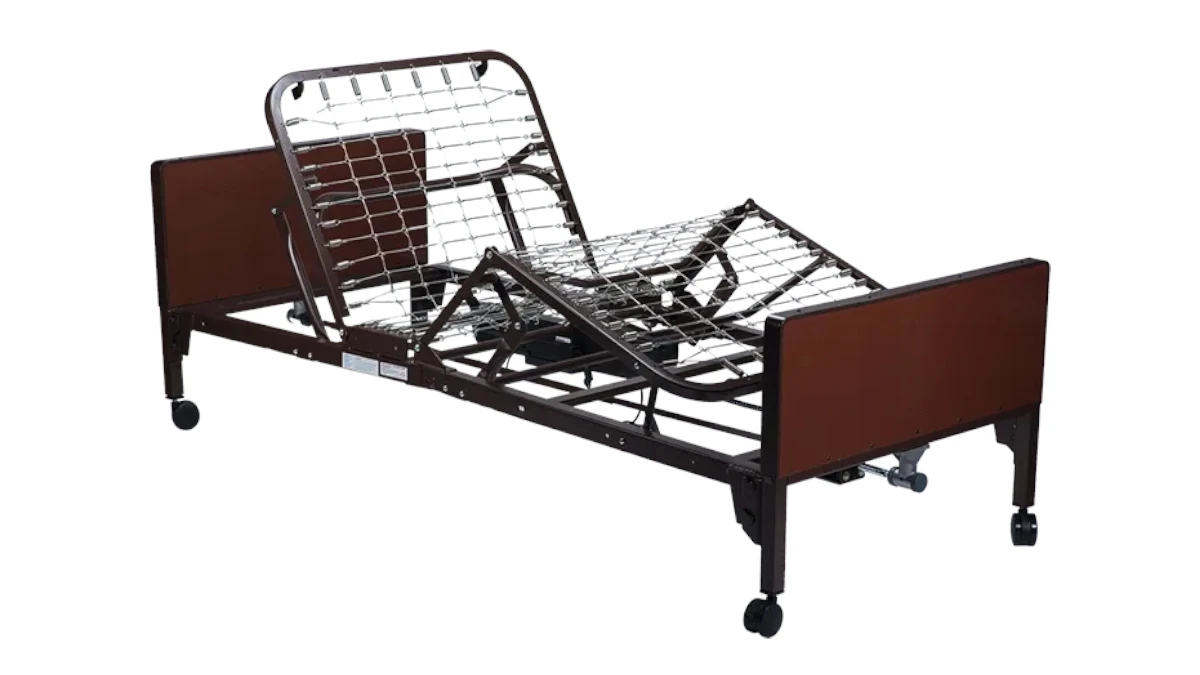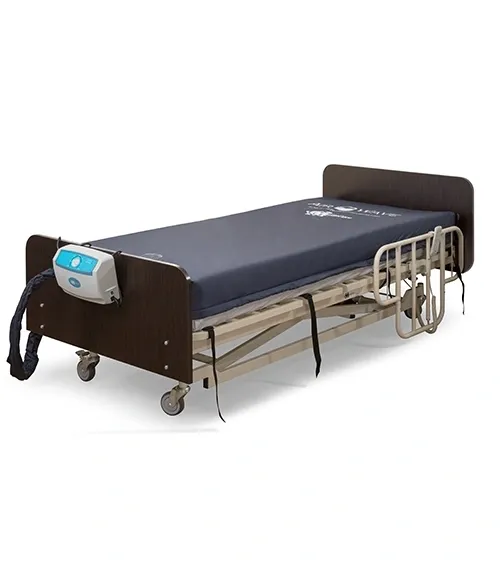
When it comes to patient care, the right equipment can make a significant difference in comfort and recovery. Among the most essential pieces of equipment found in hospitals and healthcare facilities are medical beds, commonly referred to as hospital beds. These beds are designed to provide patients with the necessary support and functionality for a range of medical needs. In this blog, we’ll explore the various types of medical beds, highlighting their features and uses.
1. Manual Hospital Beds
Manual hospital beds are the most basic type of medical bed. They are operated using hand cranks to adjust the height and position of the bed. While they may lack the advanced features of electric beds, manual hospital beds are reliable, cost-effective, and can be easily maintained. They are often used in long-term care facilities or at home for patients who do not require frequent adjustments.
Key Features:
- Adjustable head and foot sections
- Simple manual controls
- Cost-effective option
2. Electric Hospital Beds
Electric hospital beds are the modern standard in many healthcare settings. These beds feature electric controls that allow caregivers and patients to adjust the position of the bed with ease. This type of medical bed is particularly beneficial for patients with limited mobility, as it enables them to reposition themselves without assistance.
Key Features:
- Electric controls for easy adjustment
- Height adjustment for easier access
- Trendelenburg and reverse Trendelenburg positions for specific medical needs
3. Bariatric Hospital Beds
Designed specifically for larger patients, bariatric hospital beds provide extra support and stability. These medical beds typically have wider frames and higher weight capacities to ensure safety and comfort. Bariatric beds are often used in hospitals and rehabilitation centers where specialized care is required.
Key Features:
- Enhanced weight capacity
- Wider sleeping surface
- Sturdy construction for durability
4. Low Hospital Beds
Low hospital beds are designed for patients at risk of falling. These medical beds can be lowered close to the ground, minimizing the distance a patient would fall if they accidentally get out of bed. This type of bed is particularly useful in geriatric care and for patients with severe mobility issues.
Key Features:
- Height adjustable to a low position
- Safety rails to prevent falls
- Easy access for caregivers
5. Specialty Hospital Beds
Specialty hospital beds cater to specific medical conditions and needs. These beds can include features like:
- Pressure Relief Mattresses: Designed to prevent bedsores in patients who are bedridden.
- Pediatric Beds: Sized and designed specifically for children.
- Neurological Beds: Allow for specific positioning to accommodate neurological conditions.
Key Features:
- Tailored features for specific medical requirements
- Advanced technology for better patient care
- Options for additional accessories
6. Adjustable Beds for Home Care
As more patients transition to home care, adjustable medical beds designed for home use are gaining popularity. These beds often combine the functionality of hospital beds with the aesthetics of regular beds, providing comfort and support in a home environment.
Key Features:
- Stylish designs that fit home decor
- Adjustable positions for comfort
- User-friendly controls for ease of use
Conclusion
Choosing the right medical bed is crucial for ensuring patient comfort and safety during recovery. From manual and electric hospital beds to specialized options like bariatric and low beds, each type has its unique features tailored to different needs. Whether in a hospital, rehabilitation center, or home care setting, the right medical bed can significantly impact a patient’s quality of life. Understanding these options helps caregivers make informed decisions that benefit their patients.
Share this post: