For individuals over six feet tall, finding the right home care equipment can be a challenge. Standard hospital beds, lift chairs, and other mobility aids are often designed with average-sized individuals in mind. But comfort and safety are crucial for everyone, regardless of their height. Thankfully, several home care equipment options can be adapted or chosen specifically to meet the needs of taller individuals, ensuring they receive proper support and comfort while recovering or managing their condition at home.
1. Hospital Beds for Taller Individuals
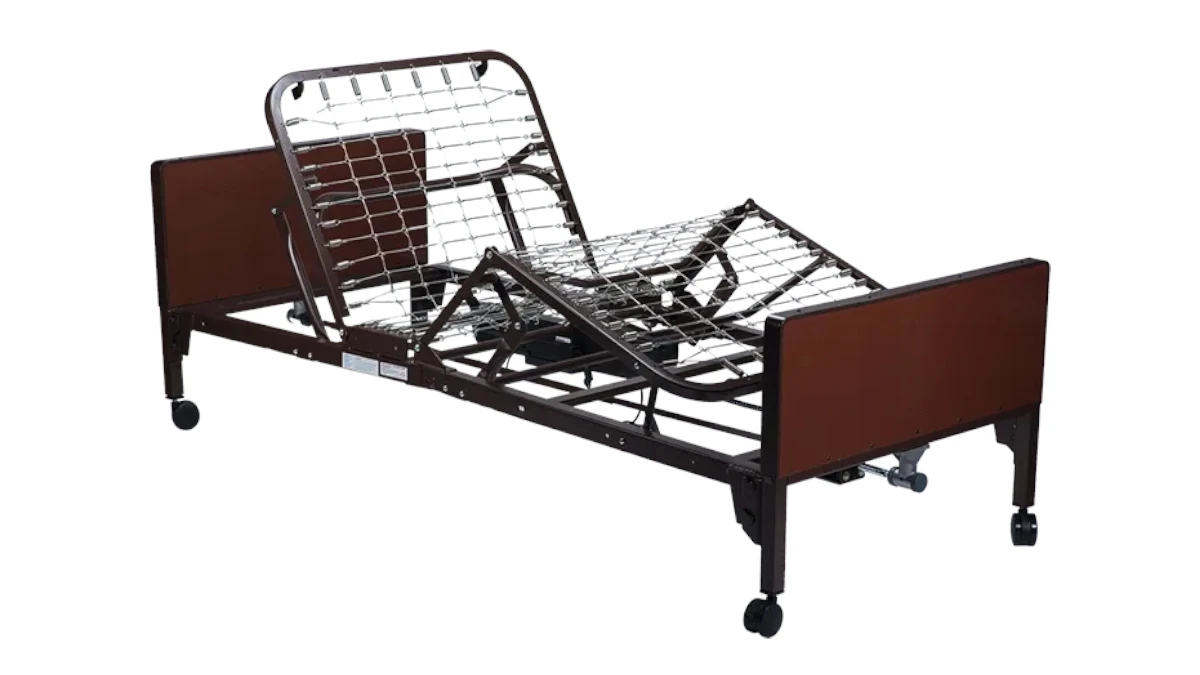
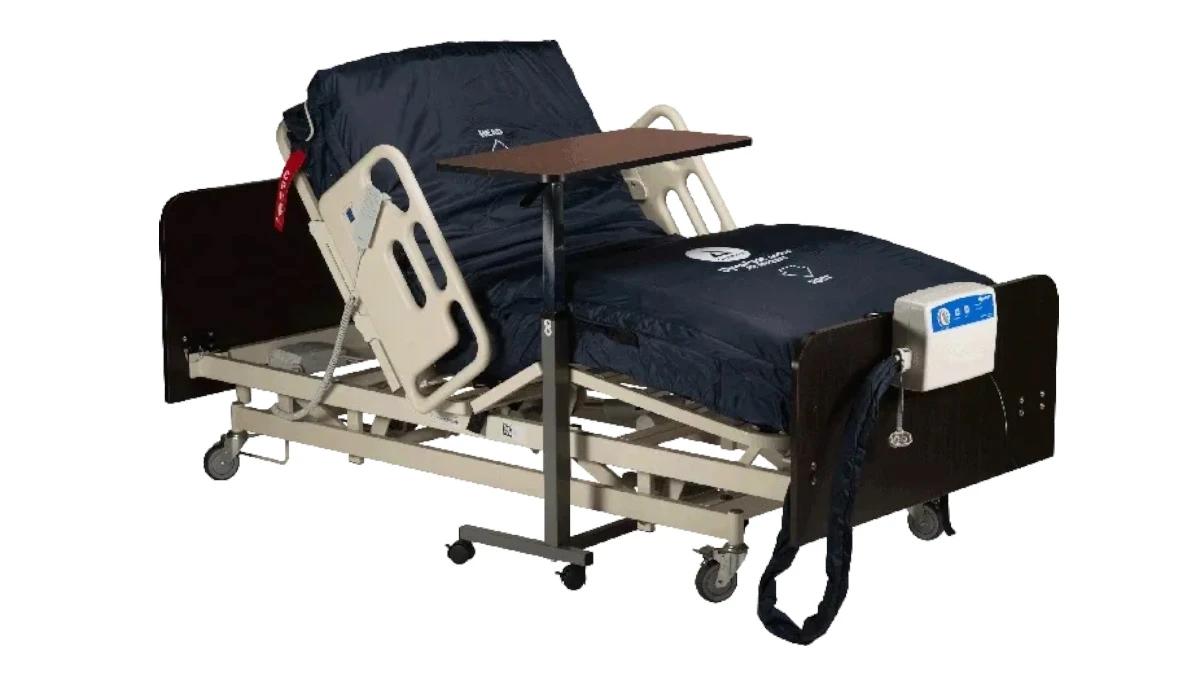
Hospital beds are essential pieces of home care equipment, providing adjustable positions to enhance comfort, prevent bedsores, and support patients during recovery or treatment. However, many hospital beds are designed with a standard length of 80 inches. While this is adequate for most users, taller individuals often find their feet extending beyond the edge, leading to discomfort or even risk of injury.
Extenders for Hospital Beds
For individuals over six feet tall, bed and mattress extenders are a practical solution. These extenders, typically 4 to 6 inches in length, can be added to the end of a standard 80-inch hospital bed, extending the length to 84–86 inches.
Bed extenders are designed to be durable and easy to install, providing additional room to stretch out comfortably. The added length ensures that taller individuals won’t feel cramped or unsupported, improving their overall quality of sleep and reducing the risk of discomfort or injury caused by having their feet hang off the edge of the bed.
Considerations When Choosing a Bed Extender
- Type of Bed: Ensure the extender is compatible with the type of hospital bed you own. Some beds have specific connector systems that require a matching extender.
- Mattress Size: Extenders are designed to work with standard hospital mattresses, but if you’ve opted for a thicker or custom mattress, check that the extender will fit appropriately.
- Adjustability: Look for an extender that allows for height or angle adjustments to maintain the bed’s versatility.
2. Lift Chairs in Various Sizes
Lift chairs are a valuable tool for individuals with mobility issues, helping them transition from a seated to a standing position with minimal effort. These chairs are particularly beneficial for seniors, individuals with disabilities, and those recovering from surgery. However, many standard lift chairs are designed to accommodate average-sized individuals and may not provide adequate support for taller individuals.
Different Sizes of Lift Chairs
Lift chairs come in a variety of sizes to accommodate different body types, and this includes options specifically designed for taller individuals. When choosing a lift chair for a taller person, it’s essential to consider the following:
- Seat Height and Depth: Lift chairs for taller individuals generally have higher seat heights to ensure the person’s legs are properly supported. The seat depth, or the distance from the back of the chair to the front edge, is also extended to accommodate longer legs.
- Backrest Height: The backrest of the chair may be taller to provide proper support for the head and neck of taller users.
- Weight Capacity: Taller individuals may also have a larger body frame, so it’s important to ensure that the lift chair has a higher weight capacity to provide safety and durability.
- Reclining Function: For those who like to recline fully, look for a lift chair with an extended reclining range. This allows taller individuals to stretch out and relax in comfort.
Types of Lift Chairs for Taller Individuals
- Tall Recliners: These chairs are specifically designed for people who are 6’2″ and taller. They often feature an extended footrest and a higher seat.
- Wide Lift Chairs: These provide more space in the seat and backrest for taller individuals who may also have a larger body frame.
- Heavy-duty Lift Chairs: These are built for taller individuals with a larger frame and typically offer both more space and additional weight capacity.
Key Features to Consider
- Power Options: Many lift chairs come with power recline and lift functions, allowing the user to control the position with ease. This is an important feature for those with limited mobility.
- Material: Look for durable fabrics that can withstand wear and tear, especially for individuals who will use the chair frequently.
- Ease of Use: Choose a model with easy-to-use controls, such as a simple remote or even voice-activated controls for those with limited dexterity.
3. Adjustable Walkers and Wheelchairs
Taller individuals may also require adjustable walkers or wheelchairs to ensure that they have a comfortable and ergonomic experience. Adjustable height walkers and wheelchairs can help improve posture and prevent strain on the back, shoulders, and wrists.
- Walkers: Many walkers are height-adjustable, ensuring that the handles are at the appropriate level for the individual’s arms. Some models even feature larger frames to accommodate taller individuals and provide more stability.
- Wheelchairs: Similar to walkers, wheelchairs come in adjustable sizes. Tall individuals should look for models with extra seat depth and backrest height. Some wheelchairs can be customized with additional leg extensions to provide extra support.
4. Supportive Cushions and Pillows
For taller individuals, comfort often goes beyond just the bed or chair itself. Supportive cushions and pillows can make a big difference in providing proper alignment and comfort. Look for options that promote spinal health and prevent pressure sores.
- Seat Cushions: For those sitting for long periods, a supportive cushion can make all the difference. A cushion that provides adequate support for the hips and thighs helps reduce pressure and discomfort, especially for taller people who may experience issues with standard chair designs.
- Back and Neck Pillows: A taller individual’s longer spine may need extra support from ergonomic pillows designed to maintain spinal alignment. This is particularly important for lift chairs or hospital beds where the person spends a significant amount of time resting.
5. Adjustable Height Tables and Counters
For individuals who use hospital beds or chairs frequently, having adjustable tables or countertops is crucial for convenience. These tables can be raised or lowered to accommodate taller individuals, allowing them to reach essential items without strain. Look for tables that are sturdy and easy to adjust, so they can provide proper support while working, eating, or performing other tasks.
Caring for taller individuals requires attention to their specific needs when it comes to home care equipment. From extended hospital beds and lift chairs in various sizes to adjustable walkers and supportive cushions, there are plenty of options designed to improve comfort and functionality. By selecting the right equipment and ensuring it is tailored to a taller individual’s needs, you can enhance their quality of life, prevent discomfort, and promote their overall well-being.
If you or a loved one is on the taller side, consider these options when setting up a home care environment. Proper support isn’t just a luxury; it’s a critical component of physical health and recovery.
Share this post: